
Religious Trauma & Spiritual Abuse Therapy in Liverpool
Individual Counselling for
Faith-Based Harm and Recovery
For many people, faith and spirituality are sources of meaning, belonging, and guidance; while for others, religious environments can become places of control, shame, fear, or psychological harm.
As one author has noted, faith and spirituality can be either the source of the problem or the support needed to work through it (summarised from Saruhan, 2019).

If you are searching for religious trauma therapy in Liverpool or support for spiritual abuse, you may be:
I offer individual 50-minute sessions at £40 per session, available indoors, online, or outdoors.
What Is Religious Trauma?
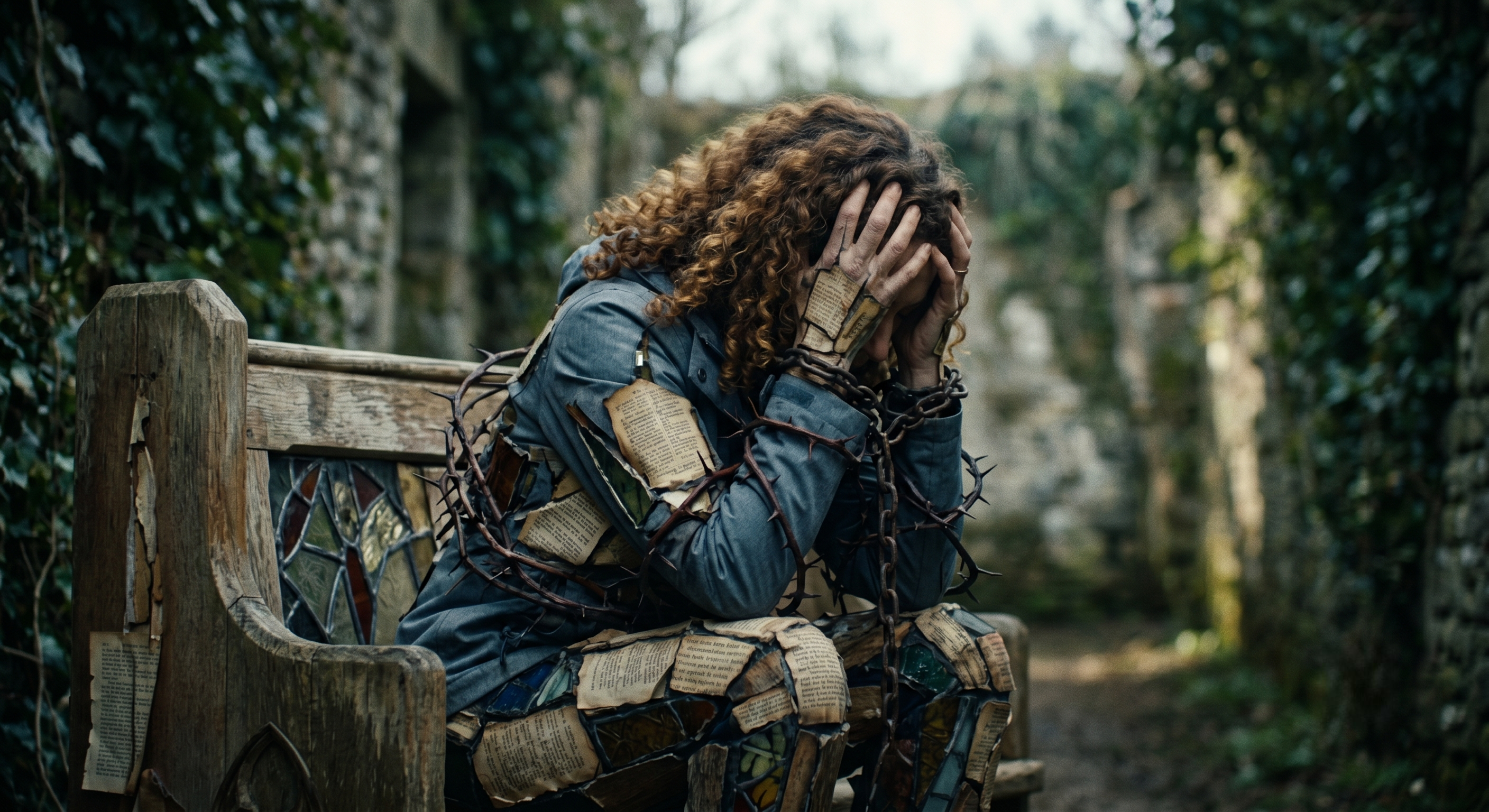
Religious trauma can arise when spiritual teachings, communities, or leaders create psychological harm. This may include:
- Chronic fear of punishment or damnation
- Suppression of identity (including sexuality or gender)
- Spiritual bypassing of real emotional needs
- Authoritarian control or coercion
- Loss of community after questioning beliefs
Spiritual abuse often involves the misuse of power in a religious context — where doctrine or authority is used to dominate, silence, or shame.
The impact can resemble other forms of trauma: anxiety, hypervigilance, identity confusion, grief, or relational difficulties.
A Transactional Analysis Approach
My work is grounded in Transactional Analysis.
Transactional Analysis helps us explore:

- Internalised “critical voices” shaped by religious authority
- Shame-based scripts formed in early spiritual environments
- Conflicts between obedience, autonomy, and identity
- Parent, Adult, and Child ego states in relation to belief systems
For some clients, faith has been damaging. For others, it remains a source of strength. Therapy does not aim to dismantle belief, nor to reinforce it uncritically. Instead, we explore your relationship with spirituality in a thoughtful, grounded way.
The goal is psychological freedom — the ability to relate to faith, or step away from it, consciously rather than fearfully.
An Ecological & Co-Creative Perspective
Religious trauma does not occur in isolation. It is shaped by family systems, culture, community expectations, and social power structures.
Ecological Approach
An ecological approach considers these wider influences, helping you understand how they have shaped your sense of self.
Co-Creative Approach
A co-creative approach means we shape the work together. Your lived experience is central. There is no agenda to persuade you toward or away from belief — only space to explore safely.
What Therapy May Support
Religious trauma and spiritual abuse therapy may help you:
- Rebuild identity outside restrictive belief systems
- Process grief after leaving a faith community
- Reduce shame and internalised self-criticism
- Establish healthier boundaries
- Reclaim autonomy and self-trust
- Integrate spirituality in a way that feels chosen rather than imposed
Whether faith was the source of harm or becomes part of healing, the work focuses on restoring psychological safety and agency.
Session Fees
Individual sessions
- Individual sessions
- Available indoors, online, or outdoors (walk-and-talk sessions where appropriate)
- Confidential and professionally held space
Beginning the Work
Religious trauma can be isolating. Many people struggle silently because their experience feels difficult to name.
If you are looking for religious trauma counselling in the UK or support with spiritual abuse recovery, you are welcome to get in touch.